
Complete Guide to Dealing with Scratches on Watches, Daily Maintenance, and Precautions
A watch is not just a timekeeping device but also an extension of personal taste and style. Whether it’s a priceless mechanical watch or an everyday electronic timepiece, scratches and wear are almost inevitable. This article provides a comprehensive solution, from scratch repair to daily maintenance, to help you keep your beloved watch in its best condition.
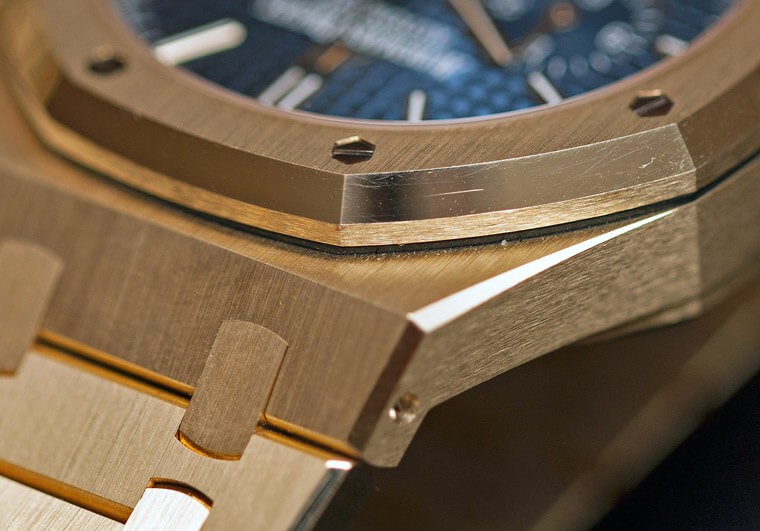
Methods for Dealing with Scratches on Watches
DIY Solutions for Minor Scratches
For minor scratches on the watch crystal or case, you can try the following methods:
- Toothpaste Method (Suitable for Mineral Glass Crystals)*
-
Use white, non-gel toothpaste, avoiding varieties with abrasive particles
-
Apply a small amount of toothpaste to a soft cloth and gently polish the scratched area in a circular motion
-
Continue for 2–3 minutes, then wipe clean with a damp cloth to check the results
-
Repeat the process until the scratch is reduced
-
-
Baking Soda Paste Method
-
Mix baking soda and water in a 2:1 ratio to form a paste
-
Gently polish the scratched area in a circular motion
-
This method is gentler than toothpaste and is suitable for very minor scratches
-
-
Professional Polishing Cloth
-
Purchase a polishing cloth designed for watches (such as Cape Cod cloth)
-
Gently rub the scratched area according to the instructions
-
Suitable for stainless steel, gold, and other metal watch cases
-
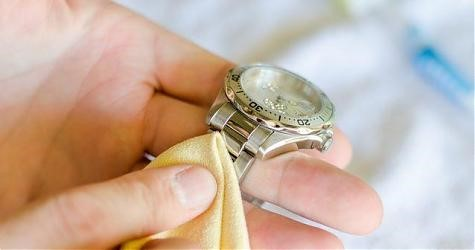
Professional Solutions for Deep Scratches and Damage
For deeper scratches or special materials, it is recommended to seek professional help:
- Professional Polishing Services
-
A watchmaker will use professional tools for localized or overall polishing
-
Note: Polishing removes a small amount of metal and should not be done frequently
-
Complex case structures or special coatings require specialized treatment
-
-
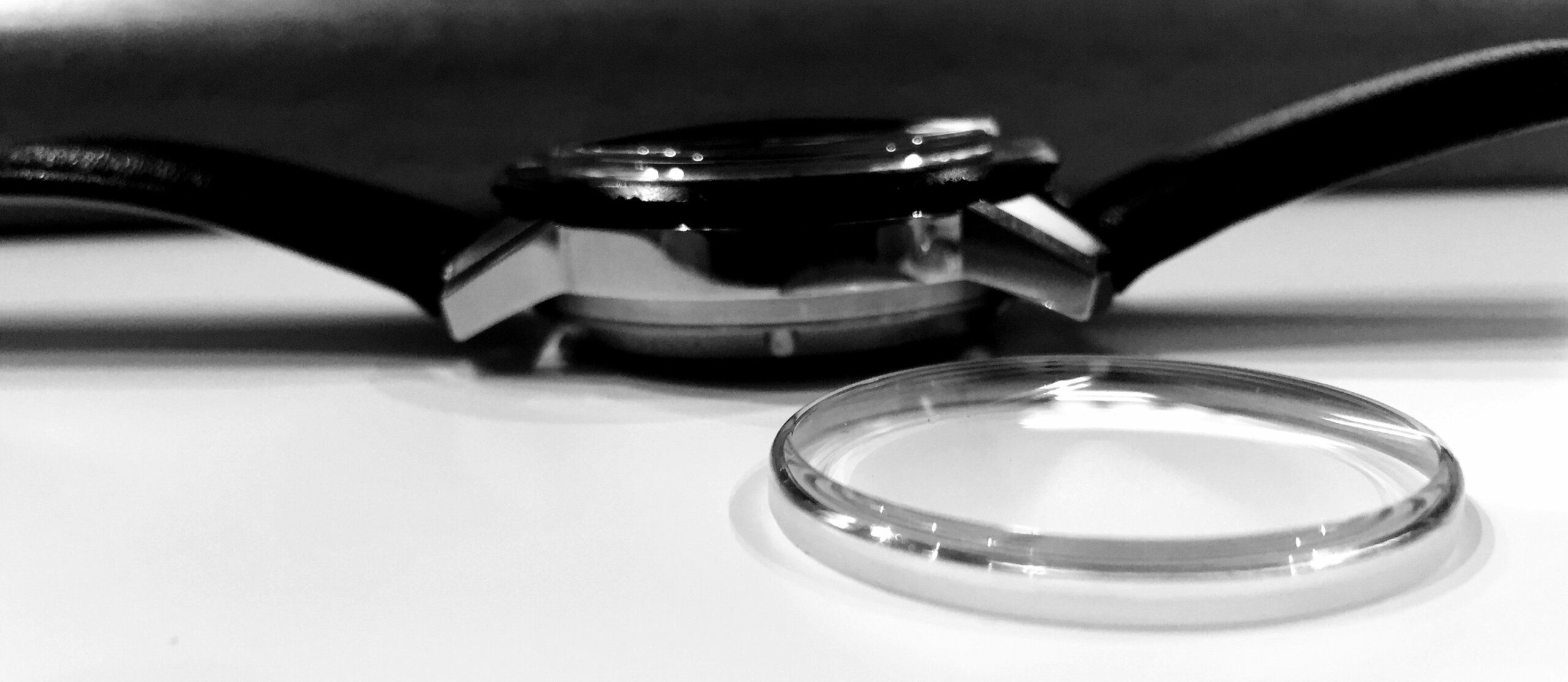
Crystal Replacement
-
Sapphire crystals are highly scratch-resistant, but if damaged, they usually need to be replaced
-
For deep scratches on mineral glass, replacement is often more economical than repair
-
When replacing, ensure the waterproof gasket is also replaced to maintain water resistance
-
-
Special Material Treatment
-
Ceramic cases: Scratches are difficult to repair, often requiring professional polishing or part replacement
-
PVD coating: Difficult to perfectly repair if scratched; requires professional assessment
-
Titanium: More challenging to polish, requiring specialized techniques
-
Daily Maintenance Guide
Basic Daily Cleaning Steps
- Regular Cleaning: Gently wipe the case and strap with a soft, slightly damp cloth every 1–2 weeks
-
Metal Strap Cleaning:
-
Use a soft-bristled toothbrush with a small amount of soapy water to gently clean between the links
-
Rinse with clean water and immediately dry with a soft cloth
-
-
Leather Strap Care:
-
Avoid contact with water; if it gets wet, immediately blot dry with a cloth
-
Regularly use leather conditioner to maintain softness
-
-
Crystal Cleaning: Use a microfiber cloth or a dedicated soft cloth to wipe in one direction
Storage and Preservation
- Short-Term Storage:
-
Store in a dry, non-magnetic environment
-
Use a padded watch box to prevent scratches from contact with other items
-
-
Long-Term Storage:
-
Mechanical watches should be manually wound once a month to keep the movement running
-
Remove the battery from quartz watches to prevent leakage
-
Maintain moderate humidity (40–60%) in the storage environment
-
Professional Maintenance Schedule
-
Daily: Gently wipe with a soft cloth after wearing; check for new damage
-
Monthly: Check timekeeping accuracy; adjust if the mechanical watch shows significant deviation
-
Annually: Conduct water resistance testing and external inspection
-
Every 2–3 years: Replace the battery for quartz watches
-
Every 3–5 years: Comprehensive servicing for mechanical watches (oiling, cleaning, adjustment)
-
Every 5–8 years: Replace waterproof gaskets, even if the watch is not frequently exposed to water
Conclusion
Maintaining a watch is a long-term commitment. Rather than waiting for scratches to accumulate or the movement to fail, start with daily care. Understand the material characteristics, water resistance rating, and movement type of your watch, and adopt targeted maintenance measures to keep it looking as good as new.
Remember, for high-value or sentimentally significant watches, seeking advice from a professional watchmaker is always the wisest choice when facing uncertain issues. Proper daily maintenance not only extends the life of your watch but also ensures a perfect experience every time you wear it.

 English
  French
  German
  Italian