
Manual Winding vs. Automatic Winding: The Heartbeat of Mechanical Watches
In the world of mechanical timepieces, the winding mechanism is the core power source that drives the passage of time. Manual winding (hand-winding) and automatic winding (self-winding) systems each boast a long history and unique charm, making them perennial topics of discussion among watch enthusiasts. This article will delve into the differences, pros and cons, and key considerations when choosing between these two winding methods.
Basic Principles and Historical Origins
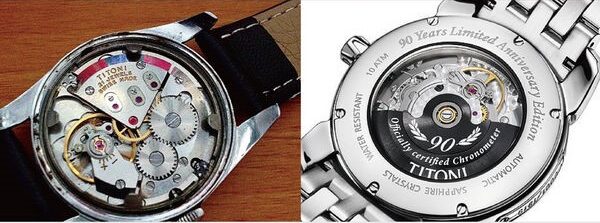
“Manual winding” is the most primitive form of mechanical watches, dating back to the pocket watch era of the 16th century. The wearer must turn the crown daily or regularly to store energy in the mainspring barrel, which then drives the gear train. This direct human-machine interaction embodies the purest tradition of watchmaking craftsmanship.
“Automatic winding” was invented in the 1920s by British watchmaker John Harwood and further perfected by Rolex. Its core is a semi-circular rotor that rotates with the movement of the wrist, automatically winding the mainspring, achieving the convenience of “wearing is winding.”
Pros and Cons Analysis
Manual Winding
Advantages:
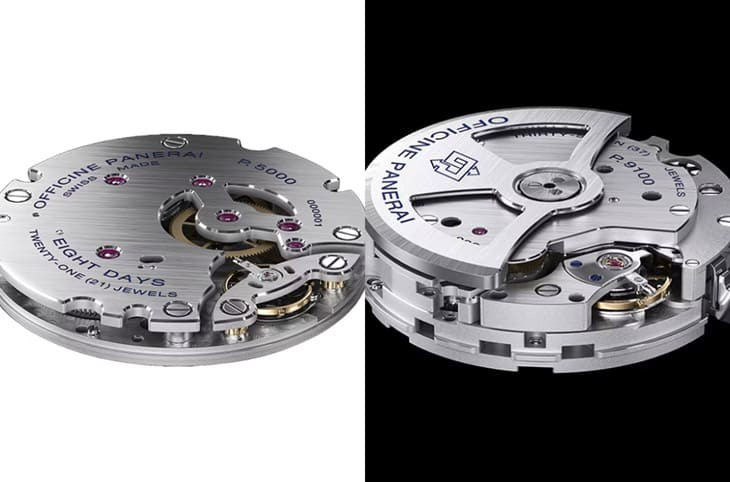
- Simpler structure: Eliminates the rotor and related components, allowing for slimmer movements and better visibility of the mechanism.
- Ritualistic interaction: The daily winding becomes an emotional exchange with the timepiece, fostering a sense of timekeeping discipline.
- Relatively simpler maintenance: Fewer components theoretically mean fewer potential points of failure.
- Traditional value: Preserves the purest watchmaking tradition, deeply cherished by collectors.
Disadvantages:
- Requires regular operation: If forgotten, the watch will stop running.
- Less convenient: Not ideal for those with fast-paced lifestyles or who rotate between multiple watches.
- Risk of overwinding: Although modern manual watches often have overwinding protection, caution is still advised.
Automatic Winding
Advantages:
- Convenience: Daily wear keeps it running, suitable for modern lifestyles.
- Continuous power: With sufficient wear, it can run continuously without manual intervention.
- Showcase of technology: The complex mechanical structure demonstrates the evolution of watchmaking craftsmanship.
Disadvantages:
- Thicker movement: The rotor mechanism increases thickness, potentially affecting comfort and style under clothing.
- Potential noise: Some automatic winding mechanisms may produce slight sounds when shaken.
- More complex maintenance: The more complicated structure may require greater expertise during servicing.
Key Considerations for Choice
1. Lifestyle and Wearing Habits
- Daily wearers: Automatic winding is more suitable, minimizing manual operations.
- Watch rotators: If you rotate between multiple watches, manual winding might be better, as automatic watches will still run down when stationary.
- Those seeking ritual: For those who enjoy the daily winding ritual, manual winding offers unique satisfaction.
2. Aesthetic Preferences
- Fans of slim designs: Manual winding movements are typically thinner, ideal for dress watches and those prioritizing comfort.
- Movement admirers: Manual winding movements often offer a more open view, facilitating appreciation of fine finishing.
- Lovers of technical aesthetics: The rotation of the rotor itself is a display of mechanical beauty.
3. Budget Considerations
- In entry-level mechanical watches, automatic winding is more common.
- In high-end watchmaking, both types have their masterpieces, with price depending more on brand, craftsmanship, and complications.
4. Collectability
- Certain historical classics or specific complications (like ultra-thin or minute repeaters) often use manual winding, holding special collectible value.
- Automatic winding is more popular in practical watches, often offering better liquidity.
Modern Developments and Convergence
Contemporary watchmaking technology is blurring the lines between the two winding methods:
- Long power reserve: Modern manual watches can achieve 7 days or more of power reserve, reducing winding frequency.
- Bi-directional winding systems: Improve automatic winding efficiency.
- Manual supplement function: Most automatic watches retain manual winding capability for flexibility.
- Compact rotors: Designs like micro-rotors allow automatic movements to remain relatively slim.
Conclusion
Choosing between manual and automatic winding ultimately comes down to a dialogue between “traditional ritual” and “modern convenience.” Manual winding symbolizes the roots of watchmaking art, returning control of time to the wearer; automatic winding represents the intelligent evolution of mechanics adapting to modern life.
Perhaps the best advice is to own watches with both winding methods for different occasions and needs. Wear an automatic for convenience on weekdays and switch to a manual on weekends to savor tradition. This way, one can fully experience the dual charm of mechanical timepieces. Regardless of the choice, what truly matters is that unique experience of interacting with precision mechanics and feeling the flow of time—this is the timeless value of mechanical watches.
 English
  French
  German
  Italian